
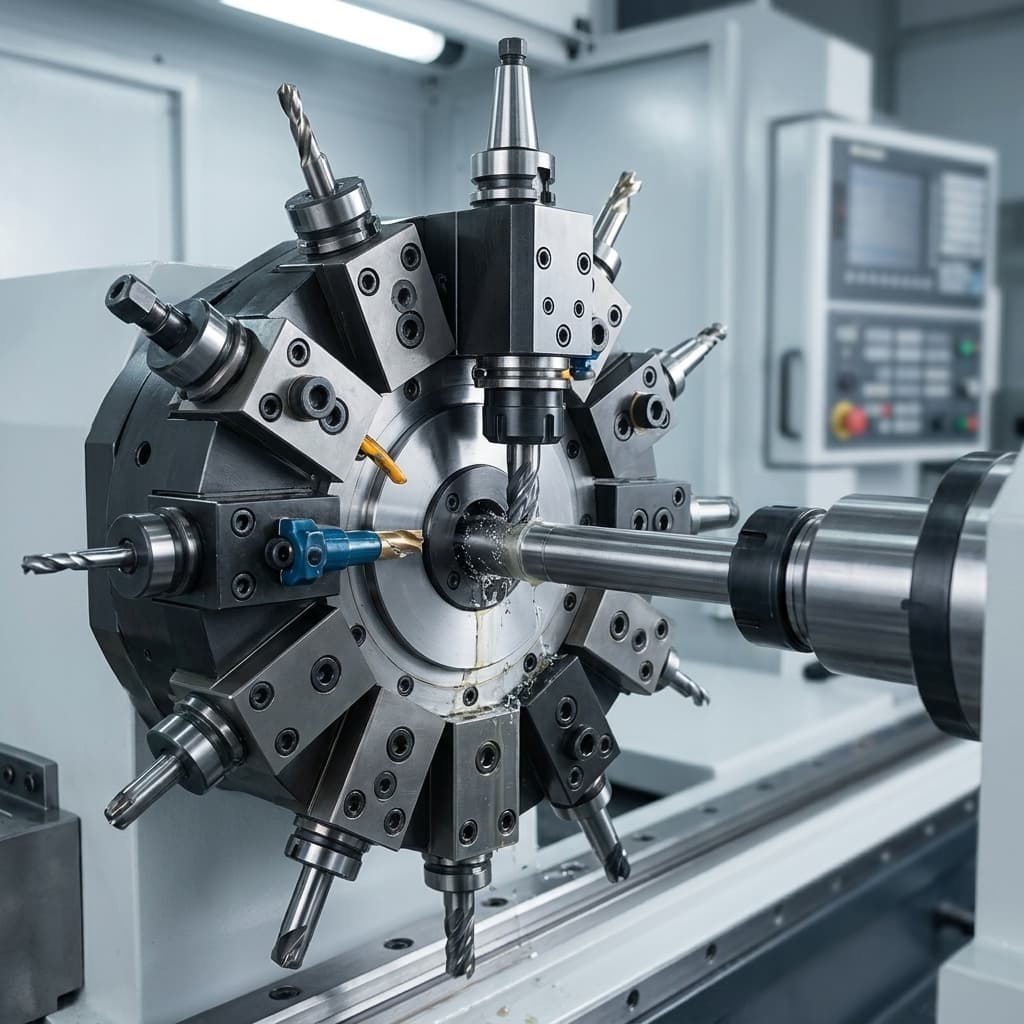
Miniature Linear Actuators in Humanoid Robotics: The Role of Micro Roller Screws
Where micro planetary roller screws can fit when humanoid robotics teams need compact, high-load linear actuation.
Commercial humanoid robots still face hard mechanical constraints in compact joints, hands, and leg actuators. One recurring bottleneck is actuation: producing useful force in a small package while keeping heat, wear, shock load, and service life under control.
Robot joints need high force density, speed, controllability, and acceptable back-drivability inside lightweight envelopes. This is where micro planetary roller screws can be a practical transmission option for modern electric linear actuators (ELAs).
The Actuation Bottleneck: Legacy Solutions vs. Electric Linear Actuators
Historically, high-force robotics relied on either hydraulics or rotary motors with harmonic drives.
- Hydraulics can offer high force density but add fluid leakage risk, plumbing complexity, maintenance load, and packaging challenges for commercial robots.
- Harmonic drives provide compact rotary reduction but can face peak torque, shock-load, stiffness, and service-life limits depending on the joint duty cycle.
Many teams are evaluating electric linear actuators (ELAs) for compact joint architectures. The core of an ELA is the screw mechanism that converts rotary motor motion into linear thrust.
Humanoid Knee Joint Actuator Architecture
Enter the Micro Planetary Roller Screw
While miniature ball screws are common in prototypes, they can become difficult to apply when load, shock, and package size all tighten around small diameters.
Micro planetary roller screws offer several engineering advantages:
1. High Force Density in Biological Envelopes
A roller screw's threaded rollers provide a vastly larger contact surface area than the point-contact of spherical balls in a ball screw. For example, a bipedal robot knee actuator may see high transient thrust during stumble recovery, landing, or aggressive gait testing. In these cases, the screw diameter, lead, heat treatment, preload, support bearings, and duty cycle all need to be checked together rather than selected from static load alone.
2. High Shock Tolerance and "Drop Survivability"
Humanoids operate on uneven terrain and can see shock loads during falls, impacts, or abrupt control events. The line-contact geometry of a roller screw can improve shock-load margin compared with point-contact ball screw designs, provided the surrounding actuator structure and lubrication plan are matched to the duty cycle.
3. Back-drivability and Force Transparency
For safe human-robot interaction, actuator teams often evaluate back-drivability and force transparency. Roller screws with appropriate lead, preload, lubrication, and support bearings can be designed for smoother force response, but the result depends on the full actuator stack, motor control strategy, reduction ratio, seals, and friction budget.
4. Thermal Management in Confined Envelopes
A deeply overlooked factor in humanoid leg design is heat dissipation. During high-frequency walking or running gaits, the screw mechanism generates significant frictional heat. In a sealed robotic leg with zero forced-air cooling, standard ball screw grease degrades quickly. Micro roller screws can distribute contact load across more rolling elements than a comparable ball screw. Lubricant choice, duty cycle, heat path, and motor proximity still need to be reviewed to avoid localized temperature rise in compact joints.
Integrated Inverted Designs (RVi) for Space Optimization
Space is the most expensive commodity in a humanoid chassis. To maximize packaging efficiency, leading robotics engineers are increasingly adopting Inverted Roller Screws (RVi) integrated with BLDC (Brushless DC) frameless outrunner motors.
In this configuration, the rollers travel inside a hollow, elongated nut, and the motor's rotor magnets are bonded or press-fit onto the outside of the nut itself. The stator wraps around it. This can create a shorter hollow-shaft linear actuator than a traditional inline motor-and-screw layout.
We support custom micro roller screws and inverted configurations for robotics OEM RFQs. Explore our Humanoid Robotics Solutions or contact our engineering team to review your joint actuator drawings.
Author

Categories
More Posts

Navigating PFAS-Free Lubrication for Micro Roller Screws: 2026 Compliance Guide
A comprehensive guide for procurement and engineering teams on transitioning to PFAS-free lubrication for miniature planetary roller screws in high-load, high-temperature applications.
Dynamic Load Ratings in Micro Roller Screws: How Procurement Can Avoid Over-Engineering
Use dynamic load ratings in micro roller screws to size L10 life, audit supplier data, and avoid costly over-specification in compact actuator RFQs globally.
Planetary Roller Screw vs. Ball Screw: Which to Choose for High-Load Actuators?
An engineering and buyer's guide comparing planetary roller screws and ball screws. Includes load capacity data, Hertzian contact mechanics, and TCO analysis.