
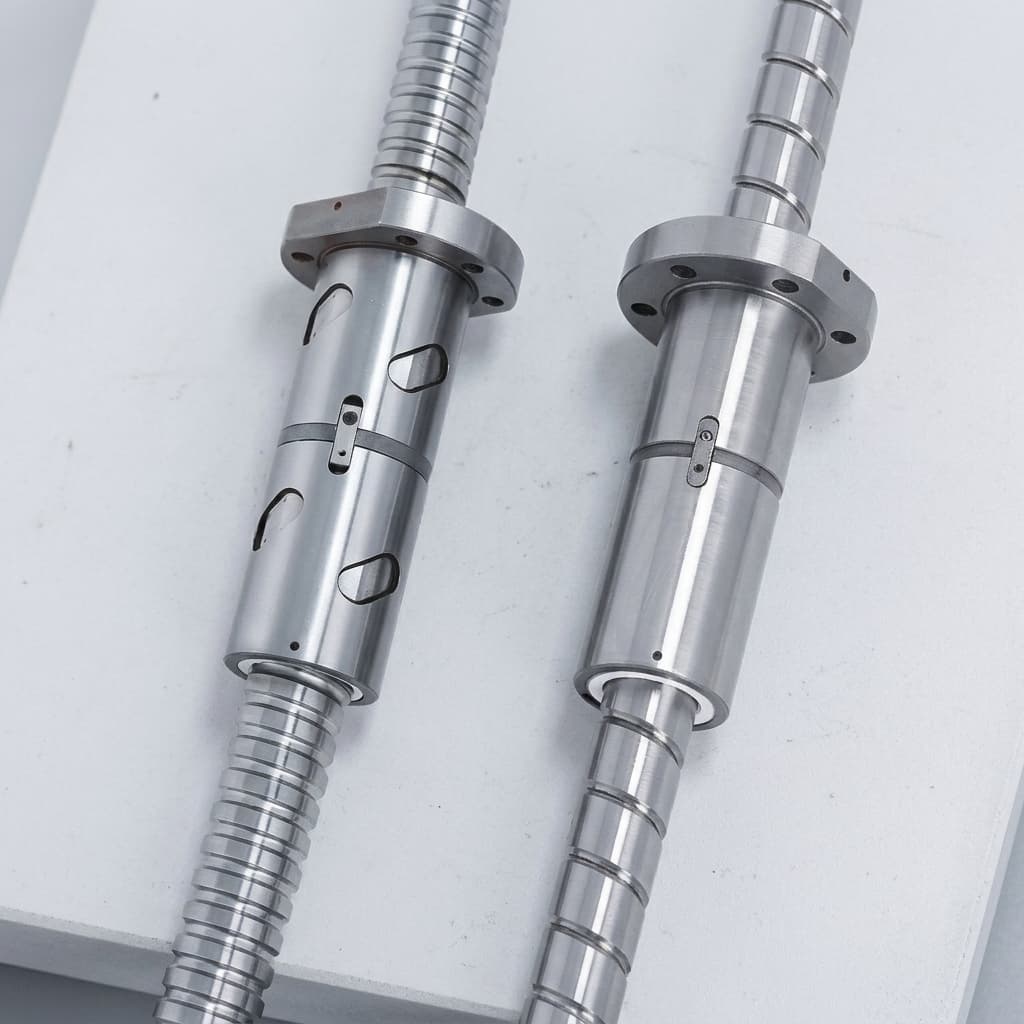
The Hidden Costs of Micro Roller Screw Integration: Specifying Custom End Machining
Specify custom end machining for micro planetary roller screws: RFQ tolerances, runout risks, heat-treatment limits, and when to request factory support.
When transitioning to Electromechanical Actuators (EMAs), OEM procurement teams frequently encounter a hidden supply chain trap. In an attempt to reduce initial lead times, buyers will source standard, commercial off-the-shelf (COTS) micro planetary roller screws and send them to a local machine shop to have the shaft ends customized to fit their specific servo motors and bearing blocks.
For a standard Acme lead screw or a low-grade ball screw, this post-purchase modification is routine. However, for a high-load, precision-ground micro planetary roller screw, local end-machining is a direct path to catastrophic actuator failure.
This guide outlines why factory-direct custom end machining is critical for micro roller screws, the specific engineering tolerances you must include in your RFQ (Request for Quote), and how this sourcing strategy impacts Total Cost of Ownership (TCO).
Last reviewed: 2026-07-22. Scope: precision-ground micro planetary roller screws for compact electromechanical actuators, servo-driven robotics, surgical devices, aerospace mechanisms, and other global OEM programs where bearing journals, couplings, seals, and motor interfaces must be machined into the screw shaft. Limits: the tolerances below are RFQ starting points, not a substitute for project drawings, supplier heat-treatment records, ISO fit review, or first article inspection.
If your team is preparing an actuator drawing pack now, use the RFQ table and procurement checklist below before requesting a factory drawing review through Contact.
The Local Machining Trap: Why Post-Purchase Modification Fails
Micro planetary roller screws achieve their massive load density through specialized metallurgy and precise thread grinding. Modifying the ends after the factory process introduces three critical risks:
1. The Case-Hardening Boundary
Roller screw shafts are typically machined from high-grade bearing steel (like 100Cr6 or specialized stainless variants) and case-hardened to HRC 58-62 to resist Hertzian contact stress. Standard lathe tooling cannot easily cut this hardened surface. Local machine shops often attempt to spot-anneal (soften) the ends to machine them. This localized heating can warp the highly precise micron-level threads adjacent to the machining zone, permanently destroying the screw's lead accuracy.
2. Concentricity and Runout Errors
If the shaft end is not perfectly concentric with the pitch diameter of the thread, the screw will wobble as it rotates. In a standard ball screw, there is often enough compliance to handle minor runout. In a highly rigid planetary roller screw, runout causes severe binding, massive friction spikes, and immediate premature wear of the satellite rollers.
3. Surface Finish for Seal Lips
Micro EMAs operating in cleanroom or harsh environments require dynamic seals riding on the machined shaft ends. If a local shop uses standard turning speeds rather than high-precision cylindrical grinding, the micro-roughness of the shaft will rapidly abrade the polymer seal lips, leading to grease leakage and contaminant ingress.
Critical Tolerances to Specify on Your RFQ
When sourcing a micro roller screw for an OEM application, do not simply send a drawing with basic dimensions. Ensure your factory partner can guarantee the following geometric tolerances relative to the thread pitch cylinder (the true functional centerline of the screw).
| Tolerance Type | Standard Specification (Class C5) | High-Precision (Class C3) | Impact if Ignored |
|---|---|---|---|
| Concentricity (Runout) of bearing journal relative to thread | < 0.015 mm | < 0.008 mm | Vibration, nut binding, reduced fatigue life |
| Perpendicularity of shaft shoulder to bearing journal | < 0.010 mm | < 0.005 mm | Bearing misalignment, premature bearing failure |
| Surface Finish (Ra) of dynamic seal contact area | < 0.4 µm | < 0.2 µm | Rapid seal wear, loss of lubrication, contamination |
| Hardness of Machined End | Application Dependent | Application Dependent | Keyway shearing, fretting corrosion on motor coupling |
| Thread Root Runout at end of threaded section | < 0.020 mm | < 0.010 mm | Jamming during full stroke extension |
| Journal Diameter Tolerance | j6 or k6 (ISO) | h5 or j5 (ISO) | Loose bearing fit (backlash) or impossible assembly |
Note: Achieving C3 runout tolerances requires the manufacturer to grind the shaft ends in the exact same setup or using specialized centers matched to the thread grinding process. This is impossible for a third-party machine shop to replicate.
The Procurement Checklist: Sourcing Custom-Machined Screws
To avoid integration nightmares, procurement managers should verify the following with their roller screw supplier before issuing a PO:
- In-House Hard Turning & Grinding: Does the supplier have the capability to perform hard turning and precision cylindrical grinding after the thread hardening process?
- Measurement Baseline: Does their quality control team measure journal concentricity relative to the pitch cylinder of the threads, rather than just the outer diameter (OD) of the shaft?
- Annealing Protocol: If the shaft ends must be annealed for specific features (like deep tapped holes), does the supplier use induction heating with strict thermal boundaries to protect the adjacent threads?
- First Article Inspection (FAI): Will they provide an FAI report documenting the geometric dimensioning and tolerancing (GD&T) of the custom ends on the first batch?
- Lead Time Scalability: Standard catalog items might ship in 4 weeks, but custom ends might take 12 weeks initially. Can the supplier hold safety stock of custom-machined blanks once production scales?
If you are still selecting the screw envelope before defining custom ends, compare the load, stroke, and packaging trade-offs in the 1.5 mm micro roller screw guide.
OEM Factory Machining vs. Local Machine Shop (TCO Comparison)
While factory-customized screws carry a higher upfront piece price and longer initial lead time, the Total Cost of Ownership (TCO) heavily favors factory integration.
Consider an OEM building 500 surgical robots annually:
- Local Machining Route: Buy standard screws ($400 ea) + Local machining ($100 ea). Total = $500. However, a 15% scrap rate from ruined threads and a 5% field failure rate from binding adds thousands of dollars in rework, RMA processing, and brand damage.
- Factory Machined Route: Factory custom screws ($650 ea). Total = $650. Guaranteed tolerances mean zero assembly binding, zero local scrap, and maximized field reliability.
Frequently Asked Questions (FAQ)
Can we machine the shaft ends if we use a highly skilled local CNC shop?
It is highly discouraged. Even the best CNC shop cannot easily locate the true pitch diameter of a micro roller screw to establish a centerline. They will clamp on the outer diameter (OD) of the threads, which is often not perfectly concentric with the functional thread flanks, guaranteeing runout errors.
Does specifying custom ends increase lead time?
Yes, for the initial prototype batch, custom end machining typically adds 4 to 8 weeks to the lead time compared to a standard cut-to-length screw. However, once the design is locked, reputable suppliers will integrate the custom ends into their standard production forecasting for your blanket orders.
What if I only need a simple keyway or flat on the shaft?
Even a simple flat requires breaking through the hardened case of the steel. If done improperly with aggressive coolant or incorrect feeds, it can induce micro-cracking that propagates through the shaft under heavy torsional loads. Always request this from the original manufacturer.
How do we connect a micro roller screw to a motor if we can't get custom ends in time?
If you are strictly prototyping and must use a COTS screw, you can use specialized zero-backlash clamping couplings that grip the threaded outer diameter directly. However, these are bulky, expensive, and not recommended for long-term compact EMA production.
Next Steps for Reliable Actuator Integration
Specifying a micro planetary roller screw is only half the battle; ensuring it integrates perfectly into your motor and bearing housings is what dictates the success of your EMA program.
Don't risk your actuator's performance on third-party modifications.
Need help specifying the exact tolerances for your custom actuator? Explore our custom micro roller screw OEM capabilities or Contact our engineering team to review your custom shaft drawings.
Sources & References
- SKF. Planetary roller screws. Retrieved from skf.com
- Schaeffler. Roller screws. Retrieved from medias.schaeffler.us
- SKF. Shaft and housing tolerances. Retrieved from skf.com
Author

More Posts
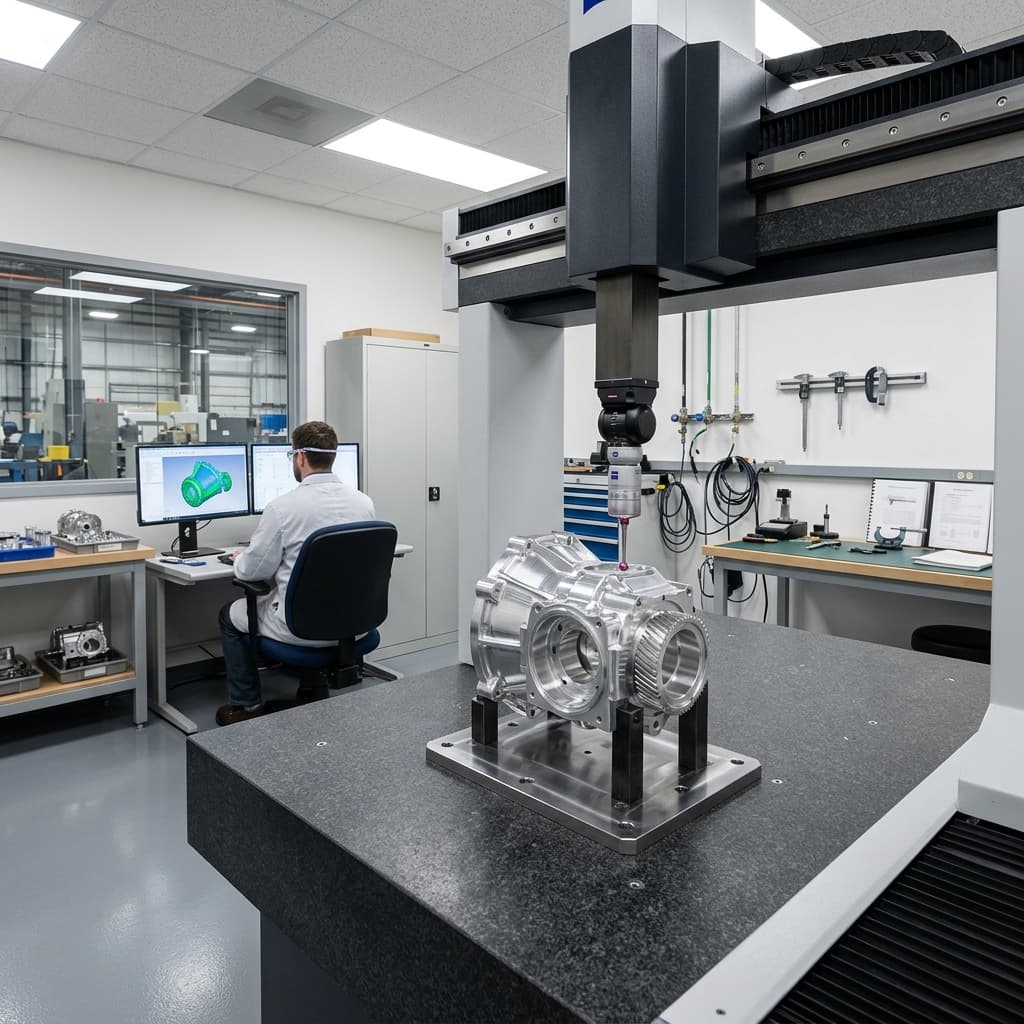
Material Cleanliness and Compliance in Micro Roller Screws: A 2026 Procurement Guide
Procurement guide for micro roller screw material cleanliness, ASTM E45 limits, VIM-VAR steel selection, traceability, and 2026 EU compliance watchpoints.
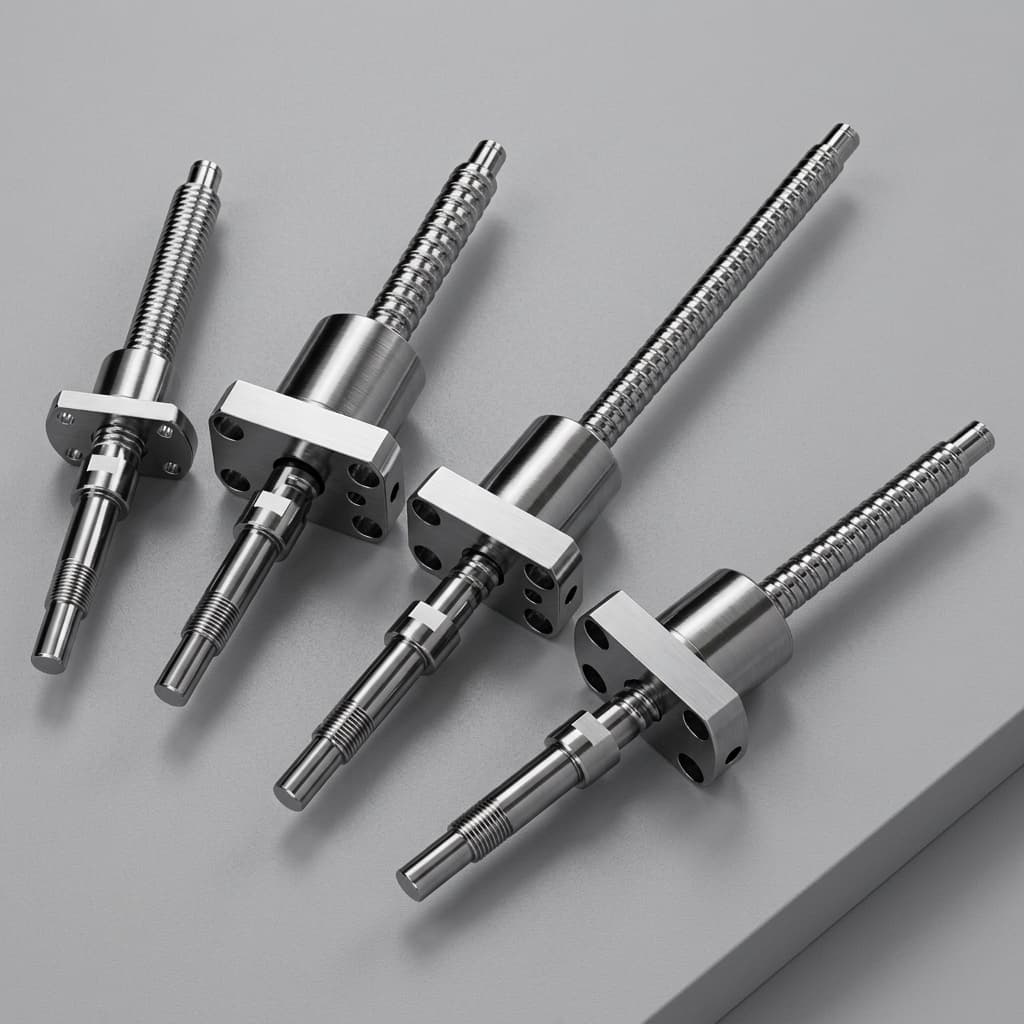
How to Select the Right Inverted Roller Screw for Compact Aerospace Mechanisms
An engineering deep-dive into Inverted Roller Screws (RVi) for flight-control actuators, satellite deployment, and low-backlash aerospace mechanisms.
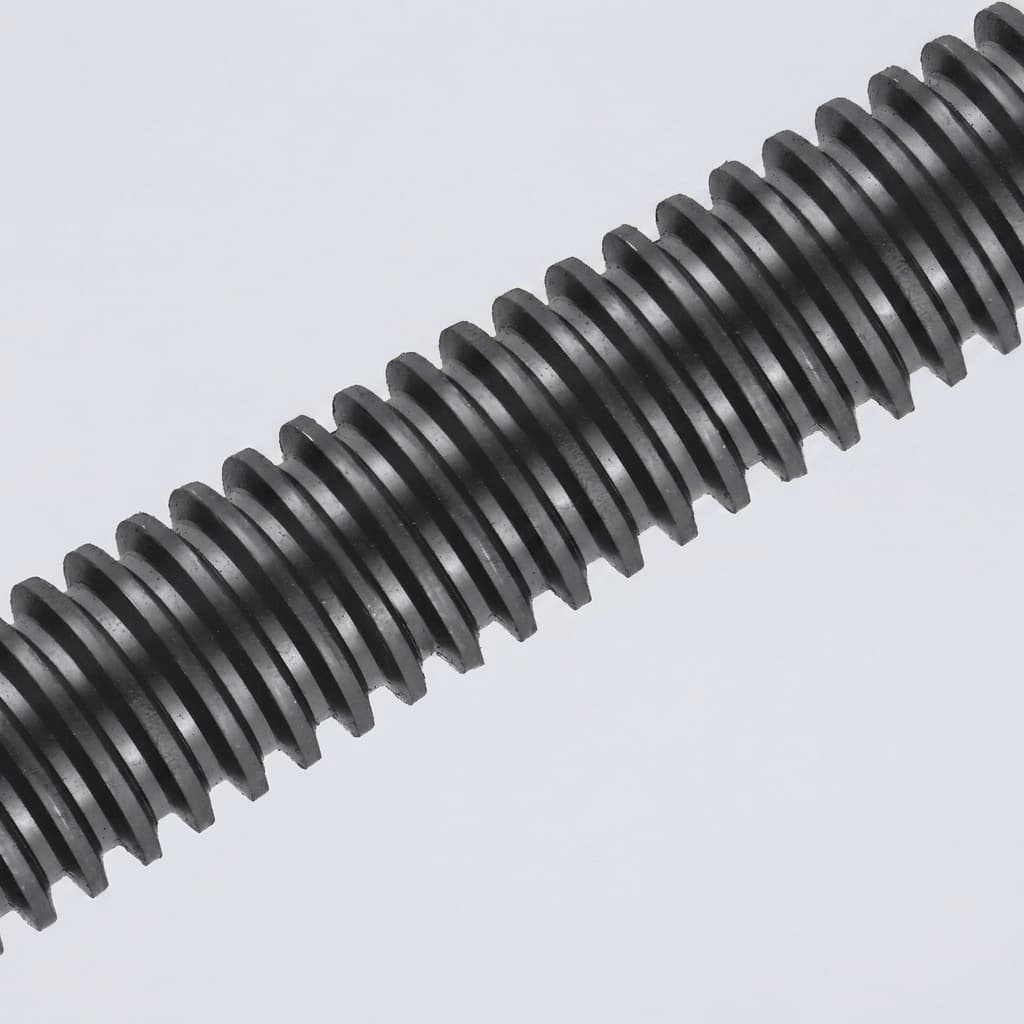
Planetary Roller Screw vs. Ball Screw: Which to Choose for High-Load Actuators?
An engineering and buyer's guide comparing planetary roller screws and ball screws. Includes load capacity data, Hertzian contact mechanics, and TCO analysis.